By Nicole Ramirez
McIntyre in the Morning
—————————————————————————————————
The National Center for Public Policy Research said California gets enough rain, but a majority of the water regulation programs are poorly managed.
“What the state has failed to do is elementary disaster preparedness,” said Bonner Cohen, National Center for public policy Sr. Fellow.
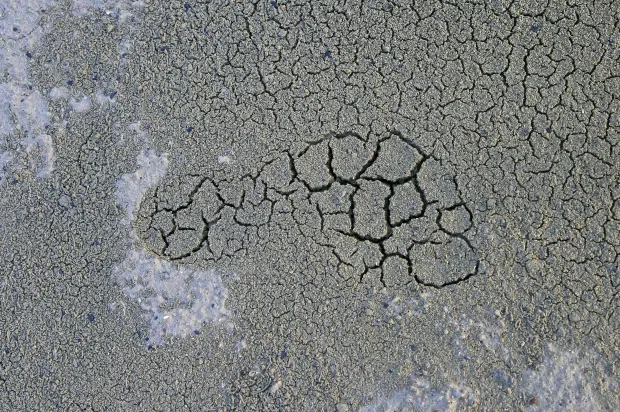
State officials claim rain-less years have soaked up the major reservoirs, and dried up rivers and lakes. Cohen tells McIntyre in the Morning the problem could be fixed by using the Pacific Ocean.
“Now we have desalinization technology it has vastly improved through the decades and the desalinization plants can help supply water,” he said. “Desalinization is highly energy intensive meaning it eats up a lot of electricity.”
California has a renewable portfolio standard, meaning that an expanding amount of energy in California must come from renewable resources. Because those sources of electricity are expensive, that drives up the cost of energy. Making the construction of and operation of desalinization plants expensive. Cohen said this technology could help eliminate the problem.
“It is being effectively being kept out of California simply because the state has adopted renewable energy standards,” he said. “This is also contributing to the disaster.”
Another contributor to the drought is fish. Last week, per order of your federal government, the California Bureau of Reclamation ordered the release of 15,000 acre-feet of water into the Stanislaus River. According Doug McIntyre’s article in the LA Daily News, the drought has so lowered the Stanislaus that the river isn’t deep enough for the steelhead to make it to their spawning grounds. Since steelhead are on the endangered species list, the Bureau of Reclamation says they had no choice but to open the floodgates.
In the meantime, state water regulators are postponing their release of a new plan to get cities to reduce water. Cohen said the standards they’re shooting for are unrealistic.